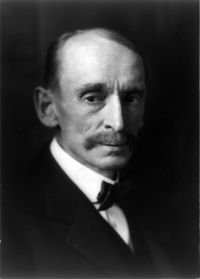
Summary

Portrait of William R. Day William R. Day,  Kepner v. United States — Dissent

“ If a statute should give the right to take exceptions to the government, I believe it would be impossible to maintain that the prisoner would be protected by the Constitution from being tried again. He no more would be put in jeopardy a second time when retried because of a mistake of law in his favor, than he would be when retried for a mistake that did him harm. It cannot matter that the prisoner procures the second trial. In a capital case, like Hopt v. Utah, a man cannot waive, and certainly will not be taken to waive without meaning it, fundamental constitutional rights. ”
Source: Wikisource

Portrait of William R. Day William R. Day,  Kepner v. United States — Dissent

“ It is more pertinent to observe that it seems to me that logically and rationally a man cannot be said to be more than once in jeopardy in the same cause, however often he may be tried. The jeopardy is one continuing jeopardy, from its beginning to the end of the cause. Everybody agrees that the principle in its origin was a rule forbidding a trial in a new and independent case where a man already had been tried once. But there is no rule that a man may not be tried twice in the same case. ”
Source: Wikisource

Portrait of William R. Day William R. Day,  Kepner v. United States — Dissent

“ It might be said that when the prisoner takes exceptions he only is trying to get rid of a jeopardy that already exists,-that so far as the verdict is in his favor, as when he is found guilty of manslaughter upon an indictment for murder, according to some decisions he will keep it, and can be retried only for the less offense, so that the jeopardy only is continued to the extent that it already has been determined against him, and is continued with a chance of escape. ”
Source: Wikisource

Get perspective with Kwize: daily news enlightened by great literature