Jeopardy

Definition and stakes

United States. Congress,  Abridgment of the Debates of Congress…

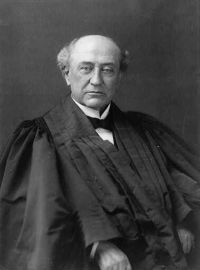
“ No, sir. And on the same principle, no judge should be put in jeopardy because the common sense of one hundred and fifty men might approve what is thus condemned, and the rule of right, the objects of punishment or praise, would thus shift about from day to day. Are we to depend upon the House of Representatives for the innocence or criminality of our conduct? ”

Source: Gutenberg

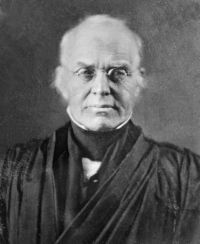
Portrait of William R. Day William R. Day,  Kepner v. United States — Opinion of the Court

“ It is true that some of the definitions given by the text-book writers, and found in the reports, limit jeopardy to a second prosecution after verdict by a jury, but the weight of authority, as well as decisions of this court, have sanctioned the rule that a person has been in jeopardy when he is regularly charged with a crime before a tribunal properly organized and competent to try him ”
Source: Wikisource

Portrait of William R. Day William R. Day,  Kepner v. United States — Dissent

“ It is more pertinent to observe that it seems to me that logically and rationally a man cannot be said to be more than once in jeopardy in the same cause, however often he may be tried. The jeopardy is one continuing jeopardy, from its beginning to the end of the cause. Everybody agrees that the principle in its origin was a rule forbidding a trial in a new and independent case where a man already had been tried once. But there is no rule that a man may not be tried twice in the same case. ”
Source: Wikisource

Get perspective with Kwize: daily news enlightened by great literature