Summary

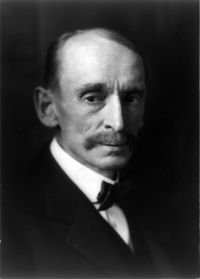
Portrait of William R. Day William R. Day Pennsylvania Railroad Company v…

It is in no just sense a regulation of commerce. It does not undertake to impose any tax upon the company, or to restrict the persons or things to be carried, or to regulate the rate of tolls, fares, or freight. Its whole object and effect are to make it more sure that railroad companies shall perform the duty, resting upon them by virtue of their employment as common carriers, to use the utmost care and diligence in the transportation of passengers and goods.'
It is true that this language was used of a statute of Iowa enacting a rule of obligation for common carriers in that state.
Source: Wikisource

Portrait of William R. Day William R. Day Pennsylvania Railroad Company v…

Justice Gray said:
'A carrier exercising his calling within a particular state, although engaged in the business of interstate commerce, is answerable, according to the law of the state, for acts of nonfeasance or of misfeasance committed within its limits. If he fails to deliver goods to the proper consignee at the right time and place, or if by negligence in transportation he inflicts injury upon the person of a passenger brought from another state, the right of action for the consequent damage is given by the local law.
Source: Wikisource

Portrait of William R. Day William R. Day Pennsylvania Railroad Company v…

The Federal courts in cases of which they have jurisdiction will doubtless continue to follow the rule of the Hart Case, but the highest court of Pennsylvania may administer the common law according to its understanding and interpretation of it, being only amenable to review in the Federal Supreme Court where some right, title, immunity, or privilege, the creation of the Federal power, has been asserted and denied.
Source: Wikisource

Get perspective with Kwize: daily news enlightened by great literature