Summary

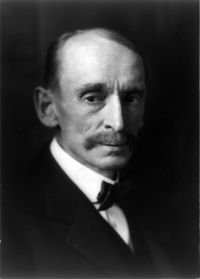
Portrait of William R. Day William R. Day United States ex rel. Champion Lumber Company v…

The petitioner did not challenge, nor did the court pass upon, the validity of any authority exercised under the United States, nor was the existence or extent tent of the authority or duty of an officer of the United States drawn in question in the sense in which it is used in the statute; that is, brought forward and made a ground of decision. The statutes under which the officers of the United States acted were concededly valid, and the authority exerted was lawful and within the powers of the officers, if the facts justified their action.
Source: Wikisource

Portrait of William R. Day William R. Day United States ex rel. Champion Lumber Company v…

Justice Van Orsdel, said: 'While it is true that arbitrary power resides nowhere in our system of government, and while the supervisory authority vested in the Secretary of the Interior and the Commissioner of the General Land Office over the disposition of the public lands is neither unlimited nor arbitrary, yet the question here presented as to whether or not the communication and order amounted to a protest, which we regard as exceedingly close, was one clearly within the power of the Commissioner to decide.
Source: Wikisource

Portrait of William R. Day William R. Day United States ex rel. Champion Lumber Company v…

The petitioner moved for a stay of proceedings, claimed that under § 7, supra, the entry should be patented without further proceedings. The motion was denied by the Commissioner, and this denial affirmed by the Secretary of the Interior, who later denied a motion to review his decision, finding that a protest had been filed against the patent of Lucy Johns' homestead entry within two years from the issuance of the receiver's receipt, and holding that the case should proceed to hearing on the special agent's charge.
Source: Wikisource

Get perspective with Kwize: daily news enlightened by great literature