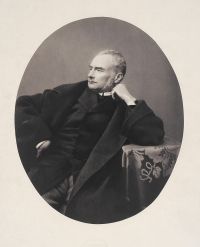
Zygmunt Krasiński

Zygmunt Krasiński

Summary

Portrait of Zygmunt Krasiński Zygmunt Krasiński The Undivine Comedy, and Other Poems (1875)

Every chord which as an individual he struck upon his lyre rang in harmony with the desires, feelings, thoughts, and hopes of the Polish People. There certainly have been men on earth who could absorb into their own wider and deeper being all the thoughts, feelings, and hopes of their country; who were capable of fusing them in the glow of their own genius, and of bringing them forth in the clear light and close unity of art. Undoubtedly Krasinski takes a high, if not indeed the very highest, place among such rare national creators.
Source: Wikisource

Portrait of Zygmunt Krasiński Zygmunt Krasiński The Undivine Comedy, and Other Poems (1875)

Wherever his people still breathed, not yet crushed to dust under the merciless foot of the spoiler, there the Poet, raising his own sorrow-crowned head above the miseries of Time, gazed with the holy trust of the martyr far into the heavens, and "there saw God," divining with sacred pride and joy that Future which the Polish people see clearly revealed to them through their present agonies, and which their poets, in spite of chains, prisons, torture, and exile, never cease to sing to them.
Source: Wikisource

Portrait of Zygmunt Krasiński Zygmunt Krasiński The Undivine Comedy, and Other Poems (1875)

When Napoleon entered Poland, in 1806, the leader of the Polish Legions, General Dombrowski, summoned the fiery patriot, Wybicki, to unite himself with armed hand to the conqueror of nations; and as Napoleon spoke freely of the reconstitution of the country, such summons fell not upon unheeding ears in Poland. Many patriots of high distinction offered up property and life in the new-born hopes for fatherland, and, captivated by the fallacious promises of Napoleon, hurried to join the French eagles.
Source: Wikisource

Get perspective with Kwize: daily news enlightened by great literature