African elephant

Definition and stakes

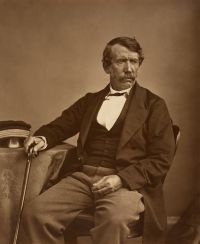
C. G. Schillings,  In Wildest Africa, Vol. 2

“ To be chased by an African elephant is as exciting a sensation as a man could wish for. The fierceness of his on-rush passes description. He makes for you suddenly, unexpectedly. The overpowering proportions of the enraged beast—the grotesque aspect of his immense flapping ears, which make his huge head look more formidable than ever—the incredible pace at which he thunders along—all combine with his shrill trumpeting to produce an effect upon the mind of the hunter, now turned quarry, which he will never shake himself rid of as long as life lasts. ”

Source: Gutenberg

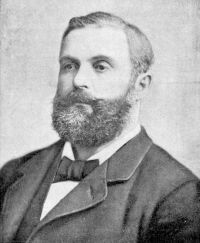
Portrait of Mayne Reid Mayne Reid,  The Bush Boys: History and Adventures of a Cape Farmer and his Family

“ In Africa the elephant exists only in a state of nature. None of the nations upon this little-known continent tame or train him to any purpose. He is only prized among them for his precious tusks, and his flesh as well. Some have asserted that this species is more fierce than its Indian congener, and could not be domesticated. This is altogether a mistake. The reason why the African elephant is not trained, is simply that none of the modern nations of Africa have yet reached a high enough point of civilisation to avail themselves of the services of this valuable animal. ”
Source: Gutenberg

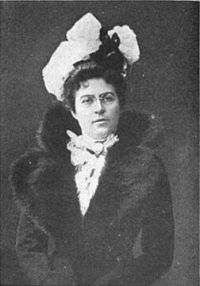
Portrait of Charles Frederick Holder Charles Frederick Holder,  The Ivory King: A popular history of the elephant and its allies

“ The native Africans have never been known to tame or utilize the elephant: though, in what is known as the fly country, they are the only animals perfectly free from attack, and would be of the greatest value, and a great saving of life, as it is estimated that every tusk that comes out from the interior of Africa, causes the death of at least one slave or native.
That the African elephant was hunted in very early times, is very evident.
”
Source: Gutenberg

Get perspective with Kwize: daily news enlightened by great literature