Armand Jean du Plessis de Richelieu

Definition and stakes

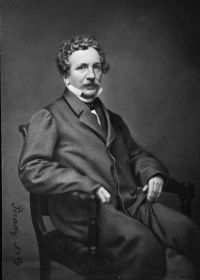
Portrait of Victor Cousin Victor Cousin Secret history of the French court under Richelieu and Mazarin… (1871)

There is a production of Richelieu, now very rare, entitled, Harangue prononcée en la salle du Petit Bourbon, le 23 fevrier, 1615, a la clôture des états tenus a Pàris, par révèrend père en Dieu, messire Armand Jean du Plessis de Richelieu, évesque de Luçon. In this, Richelieu congratulates the king, who was of age, on having "restored the reins of this great empire to the hands of the queen, his mother, so that she might have for some time the guidance of his estates." Spain and France "being united, have nothing to fear; while separated, they can only receive injury from each other."
Source: Wikisource

Eleanor C. Price Cardinal de Richelieu (1912)

It began: “Icy repose le grand Armand-Jean du Plessis, Cardinal de Richelieu, Duc et Pair de France: Grand en naissance, grand en esprit, grand en sagesse, grand en science, grand en courage, grand en fortune, mais plus grand encore en piété....” After describing the hero’s fine deeds and wonderful qualities, his genius, grace, and majesty, the epitaph—said to have been composed by Georges de Scudéry—went on to announce that “il est mort comme il a vécu, grand, invincible, glorieux et pour dernier honneur, pleuré de son Roi
Source: Gutenberg

Eleanor C. Price Cardinal de Richelieu (1912)

While his coach rumbled and jolted through miry ways towards the south-west, Armand de Richelieu had time to consider what he had done and hoped to do. The objects of his ambition were always the same: political power and the command of men. His career might seem to have met with a sharp check in these long months of illness, followed by banishment to remote wilds, so far from the sources of light and of favour, Paris and the King.
Source: Gutenberg

Get perspective with Kwize: daily news enlightened by great literature