Army of the Cumberland

Definition and stakes

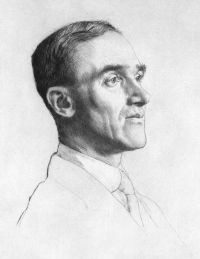
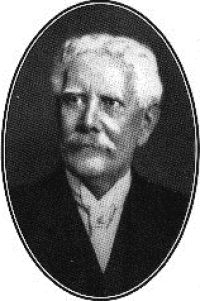
Portrait of E. E. Brown E. E. Brown The Life and Public Services of James A. Garfield

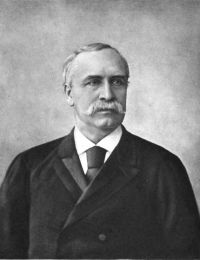
Who took command of the Army of the Cumberland,—found the army at Bowling Green, in November, 1862, as it lay disorganized, disheartened, driven back from Alabama, and Tennessee,—and led it across the Cumberland, planted it in Nashville, and thence, on the first day of the new year, planted his banners at Murfreesboro; in torrents of blood, and in the moment of our extremest [Pg 145] peril, throwing himself into the breach, saved by his personal labor the Army of the Cumberland and the hopes of the Republic? It was General Rosecrans.
Source: Gutenberg

The Great Events by Famous Historians…

But the Prince's army was not well conditioned: it was demoralized by retreat, hungry, ragged, dizzy with lack of sleep. Even the terrors of the desperate Highland attack were no longer so terrible to the English troops. Cumberland had taught his men, in order to counteract the defence which the target offered to the bodies of the Highlanders, to thrust with their bayonets in a slanting direction—not against the man immediately opposite to its point, but at the unguarded right side of the man attacking their comrade on the right.
Source: Gutenberg

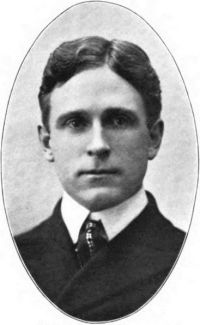
Portrait of Sir J. W. Fortescue Sir J. W. Fortescue A History of the British Army, Vol…

But this, though creditable to Cumberland, was of small importance compared to the [143] change in the general situation. The rebels were in full retreat from the fertile lowlands into the barren mountains, and their supplies from France were cut off by British ships of war, while Cumberland's force was fed from the sea. When one army is full and another starving, lead and steel are hardly needed to decide the victory.
Source: Gutenberg

Get perspective with Kwize: daily news enlightened by great literature