Arthur Channing

Definition and stakes

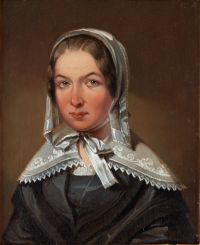
Portrait of Mrs. Henry Wood Mrs. Henry Wood,  The Channings: A Story

“ If Arthur Channing had cherished faith in one living being more than in another, it was in his elder brother. He loved him with a lasting love, he revered him as few revere a brother; and the shock was great. He would far rather have fallen down to guilt himself, than that Hamish should have fallen. Tom Channing had said, with reference to Arthur, that, if he were guilty, he should never believe in anything again; they might tell him that the cathedral was a myth, and not a cathedral, and he should not be surprised. ”

Source: Gutenberg

Portrait of Mrs. Henry Wood Mrs. Henry Wood,  The Channings: A Story

“ So long as Charles’s positive fate remained a mystery, suspense could not cease; and with this suspense there did mingle some faint glimmer of hope. Suspense leads to exertion; inaction is intolerable to it. Hamish, Arthur, Tom, all would rather be out of doors now, than in; there might be something to be heard of, some information to be gathered, and looking after it was better than staying at home to wait for it. No wonder, then, that Arthur Channing’s steps would bend unconsciously towards the town, when he left the cathedral, morning and afternoon. ”
Source: Gutenberg

Portrait of Mrs. Henry Wood Mrs. Henry Wood,  The Channings: A Story

“ Witness sending back the money to Galloway; witness his persistent championship of Arthur; and going away partly to clear him, as he no doubt has done! I was as sure from the first that Arthur Channing was not guilty, as that the sun shines in the heavens.”
“Did you suspect Roland?”
“No. I had a peculiar theory of my own upon the matter,” said Mr. Huntley, smiling, and apparently examining closely the grain of the master’s desk. “A theory, however, which has proved to be worthless; as so many theories which obtain favour in this world often are. But I will no longer detain you, Mr. Pye.
”
Source: Gutenberg

Get perspective with Kwize: daily news enlightened by great literature