Bank of England

Definition and stakes

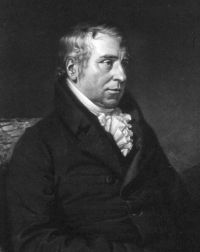
Portrait of Walter Bagehot Walter Bagehot,  Lombard Street: A Description of the Money Market (1917)

“ A bank of issue, which need not pay its notes in cash, has a charmed life; it can lend what it wishes, and issue what it likes, with no fear of harm to itself, and with no substantial check but its own inclination. For nearly a quarter of a century, the Bank of England was such a bank, for all that time it could not be in any danger. And naturally the public mind was demoralised also. Since 1797, the public have always expected the Government to help the Bank if necessary. ”
Source: Wikisource

Portrait of Walter Bagehot Walter Bagehot,  Lombard Street: A Description of the Money Market

“ Not only is the capital of the Bank of England relatively greater, but the means of making profit in the Bank of England are relatively less also. By custom and understanding the Bank of England keep a much greater reserve in unprofitable cash than other banks; if they do not keep it, either our whole system must be changed or we should break up in utter bankruptcy. The earning faculty of the Bank of England is in proportion less than that of other banks, and also the sum on which it has to pay dividend is altogether greater than theirs. ”
Source: Gutenberg

Get perspective with Kwize: daily news enlightened by great literature