Battle of Cowpens

Definition and stakes

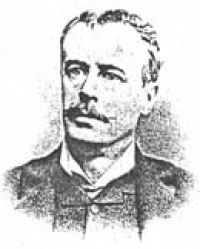
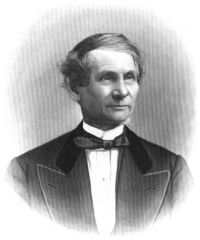
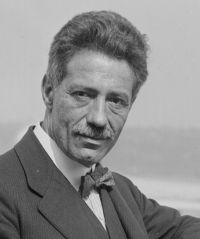
Portrait of Thomas Dunn English Thomas Dunn English The boy's book of battle-lyrics (1885)

We marched to the Cowpens, on Broad River, in South Carolina, where we were joined by Colonel James Williams, with four hundred men, on the evening of the sixth of October, who informed us that the enemy lay encamped somewhere near the Cherokee Ford, off Broad River, about thirty miles distant from us. By a council of principal officers, it was then thought advisable to pursue the enemy that night with nine hundred of the best horsemen, and have the weak horse and foot men to follow us as fast as possible.
Source: Gutenberg

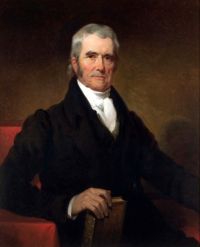
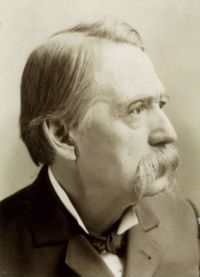
Portrait of John Marshall John Marshall The Life of George Washington, Vol…

Eight hundred muskets, two field pieces, two standards, thirty-five baggage wagons, and one hundred dragoon horses, fell into the hands of the conquerors.
Tarlton retreated towards the headquarters of Lord Cornwallis, then about twenty-five miles from the Cowpens.
This complete victory cost the Americans less than eighty men in killed and wounded.
Seldom has a battle in which greater numbers were not engaged, been so important in its consequences as that of the Cowpens. Lord Cornwallis was not only deprived of a fifth of his numbers, but lost a most powerful and active part of his army.
Source: Gutenberg

The Great Events by Famous Historians…

The defection of Benedict Arnold deprived the Americans of a capable soldier and gave him to the enemy. The American victory at the Battle of the Cowpens, January 17, 1781, was offset by the triumph of Cornwallis at Guilford Court House, March 15th, but this was that general's last success on American soil. His own account of the surrender of Yorktown, in a letter addressed to Sir Henry Clinton, here follows the complete narrative of Dawson, which covers the final year of the actual War of the American Revolution.
Source: Gutenberg

Get perspective with Kwize: daily news enlightened by great literature