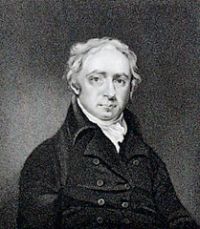
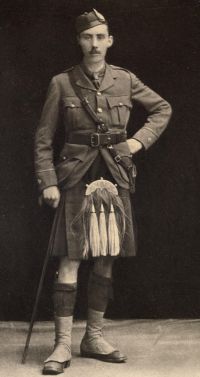
The term "wight," commonly used to denote a person or creature—especially in archaic or literary contexts—has been examined through various perspectives by writers across history and fiction. From George Simonds Boulger’s mentions of the Isle of Wight in practical pursuits such as cemetery design to Percival Christopher Wren’s chivalric depictions of knights and swords, the motif connects the physical and the symbolic.
Sabine Baring-Gould’s references to vengeful beings and William Morris’s poetic portrayals of combat and honor demonstrate its significance in both storytelling and allegorical settings. Dickens and Harrison further lend it a somber majesty, presenting human efforts against immense, indifferent natural forces. This theme therefore links the material and the metaphysical, mirroring humanity’s ongoing fascination with identity, struggle, and legacy.