Battle of Shrewsbury

Definition and stakes

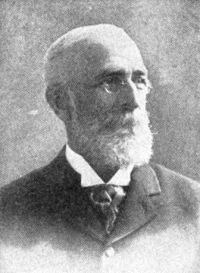
Portrait of Leslie Stephen Leslie Stephen Dictionary of National Biography… (1898)

Shrewsbury, according to one account, first marched out to Martignas with a view of giving battle to Clermont and Foix, but retired before their superior forces to Bordeaux (Beaucourt, v. 269) . Meanwhile the army of the Dordogne, with artillery under the famous Jean Bureau, captured Chalais and Gensac; Gensac fell on 8 July, and five or six days later siege was laid to Castillon, some twelve miles further down the river on its right bank, and commanding the direct road to Bordeaux. Shrewsbury hurried to its assistance, leaving his foot and artillery to follow.
Source: Wikisource

J. Franck Bright A History of England, Period I. Mediæval Monarchy

Glendower by France. On all sides the King’s difficulties seemed to increase. The Earl of Worcester joined the Percies; Richard’s old followers crowded to their standard, and an army, insidiously collected as though for an attack on Scotland, rapidly marched on Shrewsbury to make a junction with the Welsh. Thither Henry, with his son the Prince of Wales, hastened, and the decisive battle of Shrewsbury was fought, in which, after a keen struggle, Hotspur was killed, and most of the other leaders, including Worcester and Douglas, captured. Worcester and the other English leaders were beheaded
Source: Gutenberg

Albert Hartshorne Hanging in Chains

Newcastle had his brave right arm, the left went to Berwick, Perth received the right leg, and Aberdeen the left. Thus the patriot was broken up.
[25] “Enormiter, pertitiose, et crudeliter, sine judicio et responsione, suspensus, distractus, et in quatuor partes divisus fuit; et in nostra ecclesia diu postea sepultus” (Tewkesbury Register) .
[26] The battle of Shrewsbury was fought July 21, 1403, and the four quarters of Hotspur were divided between London, Shrewsbury, Chester, and Newcastle. York had the head.
Source: Gutenberg

Get perspective with Kwize: daily news enlightened by great literature