Cebu City

Definition and stakes

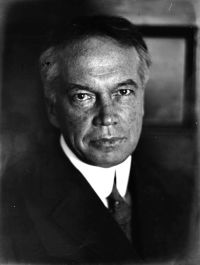
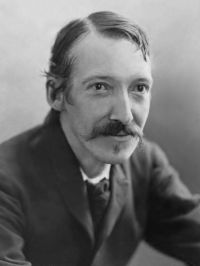
Portrait of Murat Halstead Murat Halstead,  The Story of the Philippines

“ The town of Cebu is the most ancient in the Philippines; it is the seat of government of the Visayan Islands, which include Cebu, Bohol, Panay, Negros, and Leyte, and it is the residence of a bishop. It is built on a large plain at the foot of the chain of hills that traverse the island throughout its length, and is a well-constructed, thriving place; the merchants' quarter is situated along the port, and includes some well-built stone houses, though many are of old construction. The huts of the Malays, for the most part fishermen, are on the beach, and form the west part of the city. ”
Source: Gutenberg

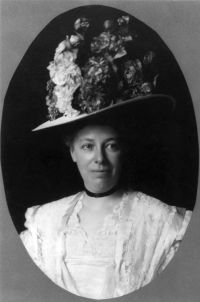
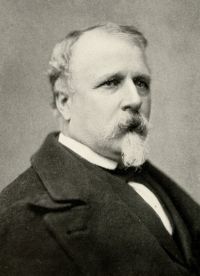
Portrait of Adeline Knapp Adeline Knapp,  The story of the Philippines, for use in the schools of the Philippine Islands (1902)

“ The city of Cebu was the first seat of Spanish government, and remained the capital of the archipelago until Legaspi went to Luzon and set up his government in Manila. Cebu was made an open seaport by the Spanish, and although its exports are not large now, when the resources of this island are developed the city will become an important shipping center. There is a large Malay population in the island. There are no rivers or valleys; the land is broken up into small farms, and hemp is the principal crop. ”
Source: Gutenberg

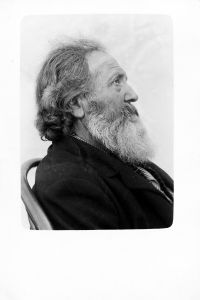
Portrait of Murat Halstead Murat Halstead,  The Story of the Philippines

“ Two other chains run along the coast, and one starts near Carcas, to the southwest of the city of Cebu, terminating on the south in Tanon Point. The coasts are high and the rivers of little importance.
The capital is Cebu, with a population of 35,243. It is the mercantile center of the islands, and is situated 460 miles from Manila. It is an Episcopal see, and has a good cathedral, Episcopal palace, casa real, court house, and private edifices, simple but tasty; there is also a post office and telegraph station.
”
Source: Gutenberg

Get perspective with Kwize: daily news enlightened by great literature