Conquest of Peru

Definition and stakes

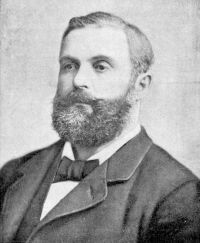
Portrait of William Hickling Prescott William Hickling Prescott,  History of the Conquest of Peru

“ The ultimate aim of its institutions was domestic quiet. But it seemed as if this were to be obtained only by foreign war. Tranquillity in the heart of the monarchy, and war on its borders, was the condition of Peru. By this war it gave occupation to a part of its people, and, by the reduction and civilization of its barbarous neighbors, gave security to all. Every Inca sovereign, however mild and benevolent in his domestic rule, was a warrior, and led his armies in person. Each successive reign extended still wider the boundaries of the empire. ”

Source: Gutenberg

Portrait of William Hickling Prescott William Hickling Prescott,  History of the Conquest of Peru

“ From the first landing of the Spaniards on the soil, their subsequent adventures, their battles and negotiations, their ruinous retreat, their rally and final siege, all tend to this grand result, till the long series is closed by the downfall of the capital. In the march of events, all moves steadily forward to this consummation. It is a magnificent epic, in which the unity of interest is complete.
In the "Conquest of Peru," the action, so far as it is founded on the subversion of the Incas, terminates long before the close of the narrative.
”
Source: Gutenberg

Various,  The Knickerbocker, Vol. 10, No…

“ The subsequent conquest of Peru, under Pizarro, led them still farther from these scenes of ancient greatness. In the conquered territories themselves, crowded as they were with magnificent specimens of primitive genius and wealth, they may be supposed to have had a field sufficiently large, and objects numerous and valuable enough, for their cupidity, while the innumerable vassals—before, the proud and happy lords of the finest country under heaven—afforded them ample scope for robbery and tyranny. ”
Source: Gutenberg

Get perspective with Kwize: daily news enlightened by great literature