East India Company ship

Definition and stakes

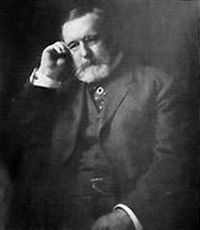
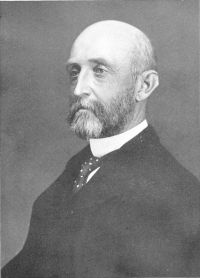
Portrait of E. Keble Chatterton E. Keble Chatterton,  The Old East Indiamen

“ And this fine spirit will be found to be confined to no special century nor to any particular ship: but rather to pervade the whole of the East India Company’s merchant service. The days of such a monopoly as this corporation’s trade and shipping are much more distant even than they seem in actual years: but happily it is our proud boast, as year after year demonstrates, that those qualities, which composed the magnificent seamanhood of the crews of these vessels, are no less existent and flourishing to-day in the other ships under the British flag that venture north, south, east and west. ”
Source: Gutenberg

Samuel Smiles,  Men of Invention and Industry… (1884)

“ The four vessels sailed homeward, taking possession of the island of St. Helena on their way back; having been absent exactly thirty-one months. The profits of the first voyage proved to be about one hundred per cent. Such was the origin of the great East India Company — now expanded into an empire, and containing about two hundred millions of people.
To return to the shipping and the mercantile marine of the time of Queen Elizabeth. The number of Royal ships was only thirteen, the rest of the navy consisting of merchant ships, which were hired and discharged when their purpose was served.
”
Source: Wikisource

Portrait of E. Keble Chatterton E. Keble Chatterton,  The Old East Indiamen

“ This “private” trade allowed to the commanders and officers of the East India ships, allowing them to participate in the Company’s exclusive monopoly, did not permit woollen227 goods and warlike stores, but otherwise the ship’s officers could reap a fine income by taking out English goods and bringing back Eastern products which would be sure of a market at home. ”
Source: Gutenberg

Get perspective with Kwize: daily news enlightened by great literature