English colony

Definition and stakes

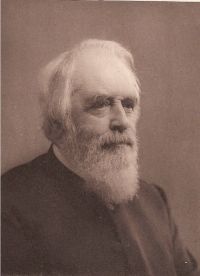
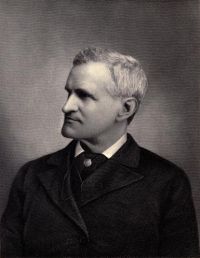
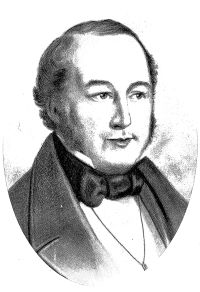
Portrait of Edward A. Freeman Edward A. Freeman,  Greater Greece and Greater Britain…

“ In the old Thirteen lands of America we hear of the colonial period as meaning the time of imperfect freedom; when full freedom is won, the name of colony is cast away. And yet surely a colony of England was not meant to be a mere Roman colonia, a mere Athenian κληρουχία, a garrison to hold down a subject province; it was surely meant to be, like a Greek ἀποικία, a new home of English life and English speech. In that nobler sense of the word, a colony which is not independent has not risen to the full rank of a colony; it is hardly a home for the new folk of the mother-land ”
Source: Gutenberg

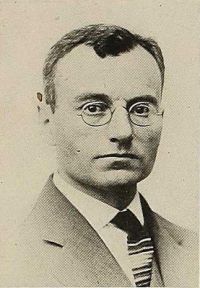
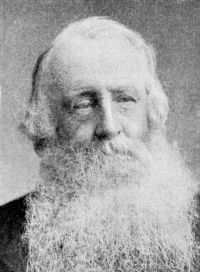
Portrait of Max O'Rell Max O'Rell,  English Pharisees, French Crocodiles…

“ As each colony becomes rich enough to suffice unto itself, and strong enough to defend itself, England says to the colonists: "You are now big enough to manage for yourselves, it is time you learnt to do without my help." This is what the Englishman says to his sons, as they come to man's estate. The colony forms its government, chooses its ministers, and its parliament; sends representatives to England to watch over its interests there, and becomes, as it were, a branch house of that [Pg 162] immense firm, known in every latitude, under the name of "John Bull and Company." ”
Source: Gutenberg

Sir Charles Prestwood Lucas,  A Historical Geography of the British Colonies…

“ Continuity of English colonization meant little more than that the lands claimed by one colony were coterminous with those claimed by the next, and that no other European nation could plant a settlement between the Alleghanies and the sea without committing a trespass and fighting for its place. There was no continuity of what would now be called effective occupation. Colony was divided from colony by many miles of forest and backwood. ”
Source: Gutenberg

Get perspective with Kwize: daily news enlightened by great literature