The German Peasants' War (1524–1525) was Europe’s largest pre-modern revolt, sparked by economic hardship and religious zeal, as peasants and radical clerics such as Thomas Müntzer opposed noble rule. Although initially motivated by calls for liberation from serfdom and church corruption, the uprising was crushed by noble suppression, with estimates of 100,000 fatalities. Martin Luther, despite initial support for the peasants' cause, later denounced the revolt as diabolical, urging nobles to suppress the rebels “like mad dogs.
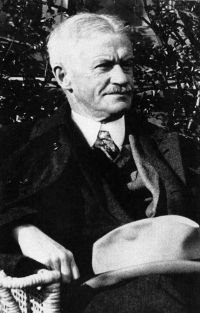
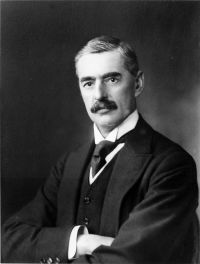
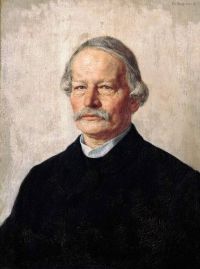
” Historians like Carlton J. H. Hayes and J. N. Larned have examined its social and religious aspects, while contemporary scholars such as Harold Peat and Newell Dwight Hillis have referenced its influence in later political movements. The conflict’s intricate blend of class struggle, religious belief, and power dynamics continues to serve as a crucial framework for understanding the upheavals of early modern Europe.