Henry Erskine

Definition and stakes

Henry Manners Chichester,  Dictionary of National Biography… (1889)

“ Erskine served as deputy quartermaster-general, with the rank of lieutenant-colonel, in the blundering expedition to L'Orient in 1746, under command of his uncle, Lieutenant-general Hon. James St. Clair, where he was wounded. He afterwards served with the 1st Royal Scots in Flanders, where his elder brother, Sir Charles, fourth baronet, a major in the same regiment, was killed at the battle of Val (otherwise Laffeldt or Kisselt) , 2 July 1747. Erskine was returned in parliament for Ayr in 1749, and represented Anstruther from 1754 to his death in 1765. ”
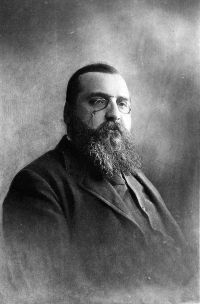
Source: Wikisource

Portrait of Henry Morse Stephens Henry Morse Stephens,  Dictionary of National Biography… (1889)

“ He returned to England in 1809, and succeeded his father as second Lord Erskine in November 1823, and he remained unemployed until 1824, when he was appointed minister plenipotentiary at Stuttgard, from which place he was promoted to the legation at Munich in February 1828. He remained at Munich for more than fifteen years, during which he had no opportunity of distinguishing himself, and retired on a pension in November 1843. Erskine then returned to England, and settled at Butler's Green in Sussex, where he died on 19 March 1855. ”
Source: Wikisource

Portrait of Henry Morse Stephens Henry Morse Stephens,  Dictionary of National Biography… (1889)

“ On 14 March 1792 Erskine was promoted lieutenant-colonel into the 12th light dragoons, and in the following year, in which his uncle became lord chancellor, he abandoned politics as an active pursuit and devoted himself to his profession. He was first sent to the Mediterranean in that year to act as adjutant-general to the army under Sir David Dundas before Toulon, and served in that capacity at Toulon, and in the subsequent operations in Corsica, including the capture of Calvi and of San Fiorenze. ”
Source: Wikisource

Get perspective with Kwize: daily news enlightened by great literature