James Walker

Definition and stakes

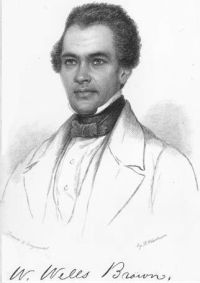
Portrait of William Wells Brown William Wells Brown My Southern Home: Or, the South and Its People

Louis. 108 For a long time, James Walker was the principal speculator in this species of property. The early life of this man had been spent as a drayman, first working for others, then for himself, and eventually purchasing men who worked with him. At last, disposing of his horses and drays, he took his faithful men to the Louisiana market and sold them. This was the commencement of a career of cruelty, that, in all probability, had no equal in the annals of the American slave trade.
A more repulsive-looking person could scarcely be found in any community of bad-looking men than Walker.
Source: Gutenberg

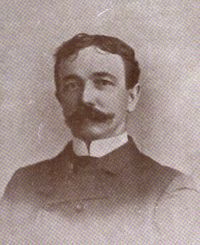
Portrait of James Jeffrey Roche James Jeffrey Roche By-Ways of War: The Story of the Filibusters

Walker came back from Sonora, defeated but not disheartened. He had proved himself a leader of men, even in so small an arena. Thenceforth, until his star of "destiny" was eclipsed in death, his name was worth a thousand men wherever hard fighting and desperate hopes might call him. It must be said in his favour that he sought popularity by none of the tricks of the demagogue. In camp or field he was ever the same cold, self-contained, fearless commander, inflexible in discipline, sparing of speech, prodigal of action. He won the devoted obedience of the wildest spirits by governing himself.
Source: Gutenberg

Portrait of James Jeffrey Roche James Jeffrey Roche By-Ways of War: The Story of the Filibusters

We now behold Walker at the zenith of his fame, the lawful ruler of a country whose position and resources made it a prize worth the ambition of all Europe and America to possess. Besides a powerful native party, he had an army of his countrymen at his back numbering over a thousand men, a line of steamers under his control—for the California agents of the Transit Company were his friends as long as their interests and his were the same—and a strong party in the United States in sympathy with his cherished project for the extension of slavery.
Source: Gutenberg

Get perspective with Kwize: daily news enlightened by great literature