King Stephen I of England

Definition and stakes

Edward Lamplough Yorkshire Battles

Stephen was a brave, generous, and popular noble, and both the peers and commons of England would have preferred his rule to that of the King’s daughter; when, therefore, he made claim to the throne no opposition was raised. “For when the nobles of the kingdom were assembled at London, he promised that the laws should be reformed to the satisfaction of every one of them, and William, Archbishop of Canterbury, who was the first of all the nobles to take the oath of fidelity to the Empress as Queen of England, now consecrated Stephen to be King.
Source: Gutenberg

Charles Morris Historic Tales: The Romance of Reality…

Each of them had a legal claim to the throne, Stephen's the better, he being the nearest male heir. No woman had as yet ruled in England. Maud's mother had been of ancient English descent, which gave her popularity among the Saxon inhabitants of the land. Stephen was personally popular, a good-humored, generous prodigal, his very faults tending to make him a favorite. Yet he was born to be a swordsman, not a king, and his only idea of royalty was to let the land rule—or misrule it if preferred—itself, while he enjoyed the pleasures and declined the toils of kingship.
Source: Gutenberg

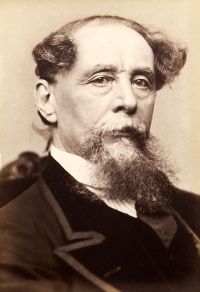
Portrait of Charles Dickens Charles Dickens A Child's History of England

Although King Stephen was, for the time in which he lived, a humane and moderate man, with many excellent qualities; and although nothing worse is known of him than his usurpation of the Crown, which he probably excused to himself by the consideration that King Henry the First was a usurper too—which was no excuse at all; the people of England suffered more in these dread nineteen years, than at any former period even of their suffering history.
Source: Gutenberg

Get perspective with Kwize: daily news enlightened by great literature