Leinster

Definition and stakes

1911 Encyclopædia Britannica, Volume 16… (1911)

“ Leinster (Laighen) was one of the early Milesian provinces of Ireland. Meath, the modern county of which is included in Leinster, was the name of a separate province created in the 2nd century A.D. The kings of Leinster retained their position until 1171, and their descendants maintained independence within a circumscribed territory as late as the 16th century. In 1170 Richard Strongbow married Aoife, daughter of the last king Diarmid, and thus acquired the nominal right to the kingdom of Leinster. ”
Source: Wikisource

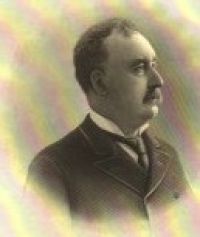
Portrait of John F. Finerty John F. Finerty,  Ireland: The People's History of Ireland… (1904)

“ In Ireland, Ulster, Connaught, and Munster remained tranquil for the most part, but, in Leinster, the royal house of MacMurrough—lineal descendants of the traitor of Strongbow’s time—showed a determination to drive the remnant of the English garrison into the sea. They were as loyal to Ireland as their accursed ancestor had been faithless. King Art I, after a long series of successes and failures, died, and was succeeded on the Leinster throne by King Art II—one of the bravest, wisest, and truest characters in Irish history. ”
Source: Gutenberg

Thomas Olden,  Dictionary of National Biography… (1887)

“ At this time took place the invasion of Leinster by the king of Ireland, Aedh Mac Ainmire, in order to exact the boruma, or cow tribute imposed on Leinster by a former king of Ireland, which Bran-dubh, the reigning king of Leinster, refused to pay. When the invading army entered his territory he resolved to proceed to Glendalough to consult St. Coemgen as to the course he ought to pursue, and no doubt to encourage his followers by obtaining the sanction of the famous saint to his resistance. ”
Source: Wikisource

Get perspective with Kwize: daily news enlightened by great literature