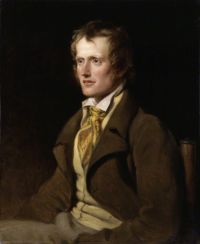
“ Clare always felt himself cheated and empty of ideas when shut up within four walls. The Muse would not follow him to his fireside, but she would frolic with him the live-long day in the open air, filling him with buoyancy, kissing his lips, and smoothing out his wrinkles. Seated inside an old oak, whose heart had gradually passed into the atmosphere, Clare was wont to pour his soul in song, and so fruitful were the hints of his unseen companion that he soon had a great collection of new verses. ”
Clare
Definition and stakes
The name Clare, a unisex given name of medieval English origin associated with the Irish County Clare, has appeared across literary and historical contexts. From John Clare’s poetic celebration of rural life—where nature inspired his verse while city life hindered his creativity—to V.
Sackville-West’s depiction of a heroine wandering through starlit downs, the name reflects both a connection to the earth and romantic idealism. Clemence Dane’s Clare, a character marked by compassion and determination, further highlights its adaptability. Bringing these portrayals together, Clare emerges as a name linked to natural beauty, human fragility, and the lasting power of place.
Quotes about “Clare”
Frederick Martin, The Life of John Clare
“ There now lies, under the shade of a sycamore-tree, with nothing above but the green grass and the eternal vault of heaven, all that earth has to keep of John Clare, one of the sweetest singers of nature ever born within the fair realm of dear old England—of dear old England, so proud of its galaxy of noble poets, and so wasteful of their lives. ”
Frederick Martin, The Life of John Clare
“ Clare, passionately fond of every shape of beauty upon earth, did not get tired of looking at the throng of fair forms which passed before his eyes in the busy city thoroughfare. He had never seen so many handsome women under what he conceived so very favourable circumstances. Deeply imbued with the consciousness of possessing none of the attractions which render men agreeable in the eyes of women of superior rank, he always felt a morbid shyness to converse with ladies into whose company he was thrown, and in many instances was not able even to look them in the face. ”