“ To influences other than those of the countryside, Clare remained unimpressionable. To be in London was to long for Helpstone, the commons and pools of which were more precious to the poet than all the glories of Westminster Abbey, and the expanses of the artificial lakes. While he sojourned in the Metropolis the right spark would not fall from heaven, but as soon as he wandered once more among the scenes so long familiar to him, the Muse was his unfailing companion. ”
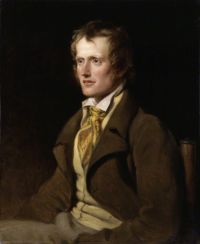
John Clare
Summary
John Clare’s Poems (1820), a collection by the English poet often called the “Northamptonshire Peasant Poet,” blends vivid rural imagery with reflective thoughts on nature, love, and existential loneliness. Published during Clare’s troubled period of mental distress, the work reveals his profound connection to the landscapes of Helpstone and the surrounding countryside, sharply contrasting with his disappointment in London.
Themes of seasonal change, the sorrow of human vulnerability, and the comfort found in simple natural life run through the verses, as seen in his portrayals of brooks, woodlands, and the lives of laborers. At the heart of the collection are Clare’s personal challenges—his complicated relationships with patrons such as Earl Fitzwilliam and Martha Turner, and his longing for authenticity amidst social pressures—expressed through lyrical simplicity and emotional honesty. The poems together affirm Clare’s conviction that genuine inspiration comes not from urban splendor but from the “rude” yet nurturing world of rural England.
Quotes from Poems (John Clare)
“ To muse, and happy be. There ruminating ’neath some pleasant bush, On sweet silk grass I stretch me at mine ease, Where I can pillow on the yielding rush; And, acting as I please, Drop into pleasant dreams; or musing lie, Mark the wind-shaken trees, And cloud-betravelled sky. There think me how some barter joy for care, And waste life’s summer-health in riot rude, Of nature, nor of nature’s sweets aware. When passions vain intrude, These, by calm musings, softened are and still ”
“ Oh, this world is but a rude world, and hurts a thing so fair; Was there a nook in which the world had never been to sear, That place would prove a paradise when thou and Love were near. And there to pluck the blackberry, and there to reach the sloe, How joyously and happily would Love thy partner go; Then rest when weary on a bank, where not a grassy blade Had e’er been bent by Trouble’s feet, and Love thy pillow made.{121} For Summer would be ever green, though sloes were in their prime, And Winter smile his frowns to Spring, in beauty’s happy clime ”
