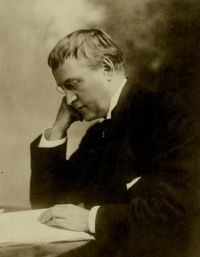
Blushing, a temporary reddening of the face tied to emotional states, has long intrigued writers and thinkers as both a physiological reaction and a symbolic indicator of inner experience. From Matthew Henry’s note on its connection to virtue to Darwin’s examination of its universality across human races, authors have investigated its dual function as a biological reflex and a social cue. Literary portrayals, such as G. P. R.
James’s refined depiction of blushing as a sign of untainted sensibility or Alexandre Dumas’s reflection on its influence in social interactions, highlight its ability to express innocence, unease, or moral depth. At the same time, medical and psychological works, such as those by Darwin and A. Mosso, describe it as an automatic response stemming from vascular activity. These diverse viewpoints emphasize blushing’s lasting importance as a link between the body’s unspoken language and the nuances of human feeling.
 G. P. R. James,
Morley Ernstein; or, the Tenants of the Heart
G. P. R. James,
Morley Ernstein; or, the Tenants of the Heart