Military Cross

Definition and stakes

G. J. Younghusband,  The Jewel House: An Account of the Many Romances Connected with the Royal Regalia

“ The Military Cross and its naval equivalent, the Distinguished Service Cross, were products of the Great War. In former wars we had engaged a few tens of thousands of fighting men, but in the Great War we had seven million soldiers and sailors engaged all over the world. [25] In the great battles that took place during four and a half years of this gigantic conflict thousands of officers distinguished themselves, yet all could not be given the Victoria Cross or the Distinguished Service Order. A third decoration for gallantry thus became imperative. ”
Source: Gutenberg

R. S. H. Moody,  Historical Records of The Buffs East Kent Regiment (1922)

“ His Majesty the King, recognizing that many most deserving juniors amongst his faithful soldiers could hope for nothing beyond the universal War Medal, instituted on the 28th December, 1914, the Military Cross, limited to officers below the rank of major, and certain warrant officers, and many a gallant young fellow can now vie with his senior in the legitimate and proper display of trophies. ”
Source: Gutenberg

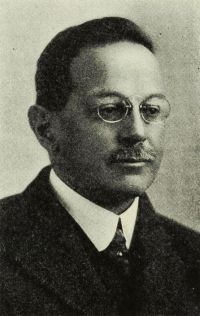
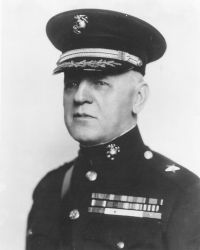
Portrait of Dion Williams Dion Williams,  Army and Navy Uniforms and Insignia

“ The cross is of white enamel resting on gold scrolls and bears at the center an iron crown. It is awarded to officers of high rank for services in war.
The Medal for Military Valor.—This medal of two classes, gold and silver, corresponds to the French Croix de Guerre, and is awarded to soldiers and sailors for conspicuous acts of gallantry in action in the presence of the enemy. The gold medal is very rarely bestowed except as an honor to the memory of a soldier or sailor who has lost his life in the execution of the deed which the medal commemorates. The ribbon is blue.
”
Source: Gutenberg

Get perspective with Kwize: daily news enlightened by great literature