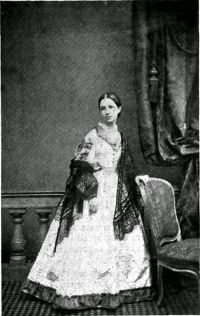
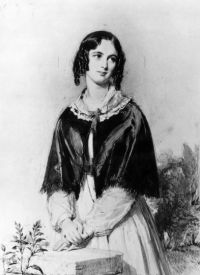
“ Musgrave! Speak no more o’ Musgrave to me!”“Oh, mother,” said her son, with kindred impatience, as he walked towards her and seized her arm in sudden passion; “oh, ’Lizabeth Bampfylde! You do more than murder men, for you kill the pity in them! What’s all you have done compared to what John Musgrave has done? and me—am I nothing? Two—three of us! Lily, too, you’ve sacrificed Lily! And is it all to go on to another generation, and the wrong to last? ”
Musgrave
Definition and stakes
The literary theme of "Musgrave" encompasses familial legacies, personal conflicts, and social dynamics, as explored by authors from the 19th to early 20th centuries. From Mrs. Oliphant’s emotional turmoil in Young Musgrave to Frederick Marryat’s search for a missing heir, the name evokes complex relationships and ethical dilemmas.
James Branch Cabell portrays Musgrave as a character caught in familial strife, while Arthur Conan Doyle emphasizes themes of disgrace and social standing. These diverse portrayals highlight the name’s effectiveness in examining human struggles, inheritance, and self-identity, underscoring its lasting significance in literary analysis.
Quotes about “Musgrave”
 Frederick Marryat,
The Privateersman, or One Hundred Years Ago
(1846)
Frederick Marryat,
The Privateersman, or One Hundred Years Ago
(1846)
“ He came home very ill and died, not at his father’s house, but at the house of one of his tenants on the estate. It is his third son, Alexander Musgrave, whom we seek, and seek in vain. He is now the heir to the baronetcy and estates, but we have lost all clue to him. We understand that a Captain Philip Musgrave is just arrived from the West Indies. He is, we presume, the fourth son. But until we can find out what has become of Alexander Musgrave, and whether he is dead or alive, we cannot act. ”
 Anthony Hope,
The Dolly Dialogues
(1899)
Anthony Hope,
The Dolly Dialogues
(1899)
“ Musgrave is!' 'Well, I should hardly call her that,' said I, with a smile. 'Oh, you mustn't depreciate her—you, of all men!' cried the matron, with a somewhat ponderous archness. 'Really I envy you her constant society.' 'I assure you,' said I, 'I see very little of her.' 'I beg your pardon?' 'I only go to the house about once a fortnight. Oh, it's not my fault. She won't have me there oftener.' 'What do you mean? I beg your pardon. Perhaps I've touched on a painful——' 'Not at all, not at all,' said I suavely. 'It is very natural. ”