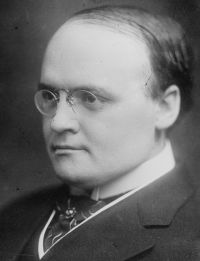
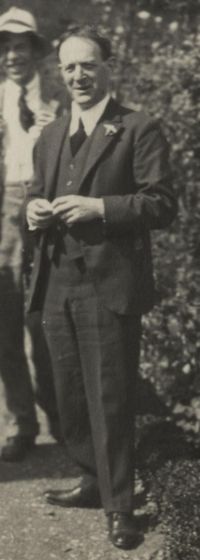
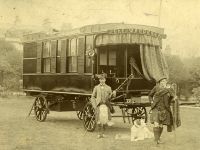
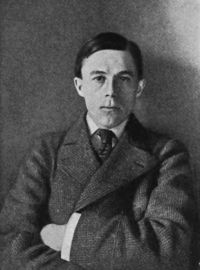
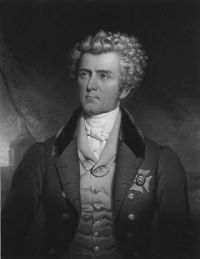
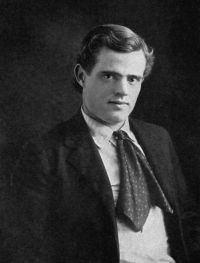
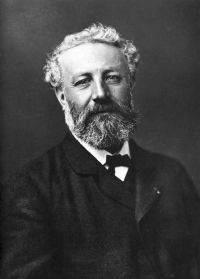
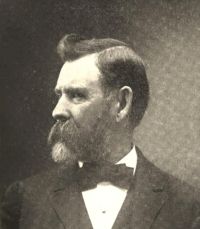
The literary concept of "vagrant" includes characters who roam without a permanent home or clear direction, often pushed to the edges of society. Authors such as Edward Bulwer-Lytton depict them as destitute wanderers, whereas George Washington Cable highlights their resistance to authority.
Louis Joseph Vance and Walter De la Mare use railways to evoke themes of motion and impermanence, contrasting the rigidity of organized travel with the vagrant's in-between state. Gordon Stables and Josiah Flynt examine the difficulties of a nomadic lifestyle, intertwining perseverance with struggle. Together, these portrayals emphasize the vagrant as a representation of social marginalization, movement, and the conflict between liberty and poverty.