Philip the Evangelist

Definition and stakes

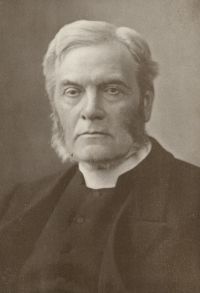
Lady Mary Ross,  "Granny's Chapters" (on scriptural subjects…

“ Luke might well call Philip so, because he preached the Gospel in every place to which he was sent; and one who spreads the [Pg 300] knowledge of the Gospel by preaching it, was as much an "evangelist" as he who spread it by his writing.
Philip had four unmarried daughters, to whom God had, in a miraculous way, given His Holy Spirit, so that they "did prophesy." This was a fulfilment of the ancient promise recorded by the prophet Joel, that in the days of the Messiah the Spirit should be poured out upon their sons and daughters, servants and handmaidens, so that they should prophesy.
”
Source: Gutenberg

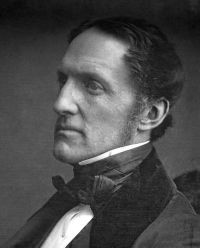
Portrait of Philip Schaff Philip Schaff,  Nicene and Post-Nicene Fathers… (1885)

“ This identification would in itself be a welcome one to the inhabitants of Hierapolis, and hence it would be assumed there more readily than anywhere else. Of course it is not impossible that Philip the apostle also had daughters who were virgins and prophetesses, but it is far more probable that Polycrates (and possibly Clement too; see the previous chapter) confounded him with the evangelist,—as every one may have done for some generations before them. ”
Source: Wikisource

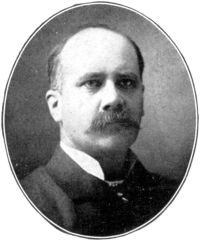
Portrait of Philip Schaff Philip Schaff,  Nicene and Post-Nicene Fathers… (1885)

“ Behold another miracle not less than the former. “And beholding the boldness of Peter and John,” etc. “And they took knowledge of them that they had been with Jesus.” (v. 13.) Not without a meaning has the Evangelist set down this passage; but in saying, “they recognized them that they had been with Jesus,” he means, in His Passion: for only these were [with Him] at that time, and then indeed they had seen them humble, dejected: and this it was that most surprised them: the greatness of the change. ”
Source: Wikisource

Get perspective with Kwize: daily news enlightened by great literature