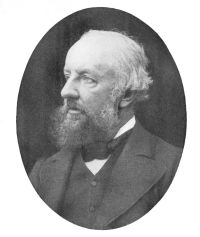
Richard de Bury

Definition and stakes

1911 Encyclopedia Britannica (1911)

It is to be supposed that Richard de Bury sometimes brought undue pressure to bear on the owners, for it is recorded that an abbot of St Albans bribed him to secure his influence for the house by four valuable books, and that de Bury, who procured certain coveted privileges for the monastery, bought from him thirty-two other books, for fifty pieces of silver, far less than their normal price. The record of his passion for books, his Philobiblon, was completed on his fifty-eighth birthday, the 24th of January 1345, and he died on the 14th of April (May, according to Adam Murimuth) of that year.
Source: Wikisource

The Book-Lovers' Anthology

No greater lover of books has ever lived than that Englishman who was born at Bury St. Edmunds seven hundred and thirty years ago—Richard de Bury, Bishop of Durham, author of Philobiblon, and, as Lord Campbell said, undoubtedly the founder of the order of book-lovers in England. Centuries passed, and then the more modern worship of books was promoted by one of even higher station than this lord chancellor and lord high treasurer of England—by King James, whom sycophants and cynics called the British Solomon.
Source: Gutenberg

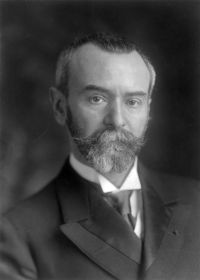
Portrait of Mandell Creighton Mandell Creighton Dictionary of National Biography… (1886)

He was always ready to do the business of his office, and his progress through his diocese was marked by an organised distribution of alms to the poor, amounting in the case of journeys between Durham and Newcastle to eight pounds sterling. But Richard de Bury was above all things a scholar and a promoter of learning. He surrounded himself with learned men ; Thomas Bradwardin, Richard Fitzralph, and other less known scholars were among his chaplains.
Source: Wikisource

Get perspective with Kwize: daily news enlightened by great literature