The Picture of Dorian Gray

Definition and stakes

Oscar Wilde, Art and Morality: A Defence of "The Picture of Dorian Gray"

It was not till 1890 that he published his first and only novel, The Picture of Dorian Gray, with its strangeness of colour and its passionate suggestion flickering like lightning through the gloom of the subject. The Puritans and the Philistines, who scented veiled improprieties in its paradoxes, were shocked; but it delighted the connoisseur and the artist, wearied as they were with the hum-drum accounts of afternoon tea parties and the love affairs of the curate.
Source: Gutenberg

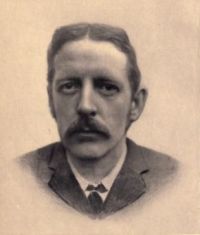
Portrait of Oscar Wilde Oscar Wilde The Picture of Dorian Gray (1890)

The room looked as if it had not been lived in for years. A faded Flemish tapestry, a curtained picture, an old Italian cassone, and an almost empty book-case—that was all that it seemed to contain, besides a chair and a table. As Dorian Gray was lighting a half-burned candle that was standing on the mantelshelf, he saw that the whole place was covered with dust and that the carpet was in holes. A mouse ran scuffling behind the wainscoting. There was a damp odour of mildew.
"So you think that it is only God who sees the soul, Basil? Draw that curtain back, and you will see mine."
Source: Gutenberg

Portrait of Oscar Wilde Oscar Wilde The Picture of Dorian Gray (1890)

"How sad it is!" murmured Dorian Gray with his eyes still fixed upon his own portrait. "How sad it is! I shall grow old, and horrible, and dreadful. But this picture will remain always young. It will never be older than this particular day of June.... If it were only the other way! If it were I who was to be always young, and the picture that was to grow old! For that—for that—I would give everything! Yes, there is nothing in the whole world I would not give! I would give my soul for that!"
Source: Gutenberg

Get perspective with Kwize: daily news enlightened by great literature