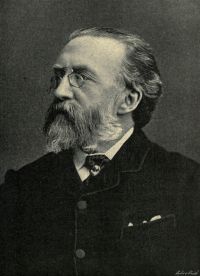
Thomas Foxe

Definition and stakes

Sidney Lee,  Dictionary of National Biography… (1889)

“ Foxe's papers, which include many statements sent to him by correspondents in corroboration or in contradiction of his history, but never used by him, descended through his eldest son Samuel to his grandson, Thomas Foxe, and through Thomas to Thomas's daughter and sole heiress, Alice. Alice married Sir Richard Willys, created a baronet in 1646, and their son, Sir Thomas Fox Willys, died a lunatic in 1701. Strype obtained the papers shortly before that date, and when Strype died in 1737, they were purchased by Edward Harley, earl of Oxford. ”
Source: Wikisource

1911 Encyclopædia Britannica, Volume 10… (1911)

“ In 1559 he completed the Latin edition [1] of his martyrology and returned to England. He lived for some time at Aldgate, London, in the house of his former pupil, Thomas Howard, now duke of Norfolk, who retained a sincere regard for his tutor and left him a small pension in his will. He became associated with John Day the printer, himself once a Protestant exile. Foxe was ordained priest by Edmund Grindal, bishop of London, in 1560, and besides much literary work he occasionally preached at Paul’s Cross and other places. ”
Source: Wikisource

Portrait of William J. Long William J. Long,  English Literature

“ Foxe's own bitter experience causes him to write with more heat and indignation than his saintly theme would warrant, and the "holy tone" sometimes spoils a narrative that would be impressive in its bare simplicity. Nevertheless the book has made for itself a secure place in our literature. It is strongest in its record of humble men, like Rowland Taylor and Thomas Hawkes, whose sublime heroism, but for this narrative, would have been lost amid the great names and the great events that fill the Elizabethan Age. ”
Source: Gutenberg

Get perspective with Kwize: daily news enlightened by great literature