Upper and Lower Canada

Definition and stakes

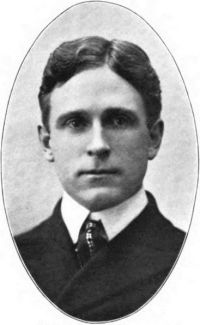
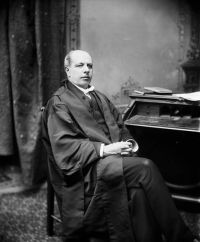
Bertram W. H. Poole,  The Stamps of Canada

“ THE POSTAGE STAMPS OF CANADA. By Bertram W. H. Poole. Introduction.
Top
Canada was originally the French colony of New France, which comprised the range of territory as far west as the Mississippi, including the Great Lakes. After the war of independence it was confined to what are now the provinces of Quebec and Ontario—then known as Upper and Lower Canada. At the confederation (1867) it included only these two provinces, with New Brunswick and Nova Scotia
”
Source: Gutenberg

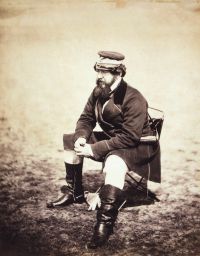
Portrait of Sir William Howard Russell Sir William Howard Russell,  Canada; its Defences, Condition…

“ A victory won not a century ago gratified the animosities of the American colonies, and added to the countries ruled by the Sovereign of Great Britain a tract of territory thrice the size of his kingdom. From Labrador to the western limit of Lake Superior, a line drawn east and west within the boundaries of Canada, is 1600 miles long; but the breadth of the country from its Southern frontiers to the ill-defined boundary on the North, is but 225 miles. This vast region is divided into Upper and Lower Canada. ”
Source: Gutenberg

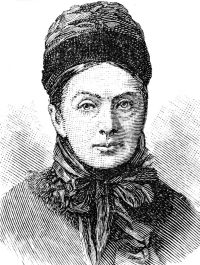
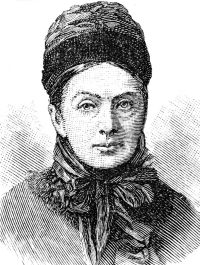
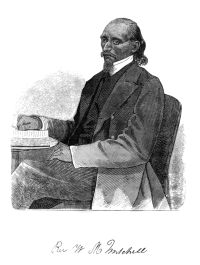
Portrait of Isabella Lucy Bird Isabella Lucy Bird,  The Englishwoman in America (1856)

“ The disparity between the population and the wealth of the two provinces is annually on the increase.
The progress of Upper Canada is something perfectly astonishing, and bids fair to rival, if not exceed, that of her gigantic neighbour. Her communication between the Lake district and the Atlantic is practically more economical, taking the whole of the year, and, as British emigration has tended chiefly to the Upper Province, the population is of a more homogeneous character than that of the States. The climate also is more favourable than that of Lower Canada.
”
Source: Wikisource

Get perspective with Kwize: daily news enlightened by great literature