A nova is a cataclysmic nuclear explosion on a white dwarf star, resulting in a sudden, brilliant outburst that gradually dims over weeks or months. This transient phenomenon, categorized into subtypes such as classical or recurrent novae, occurs when accumulated material triggers uncontrolled fusion.
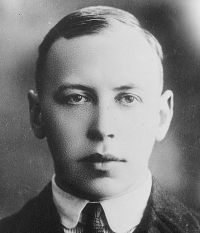
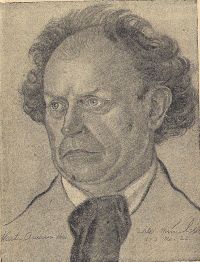
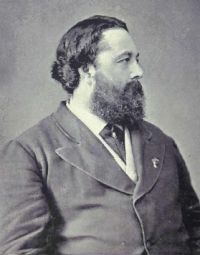
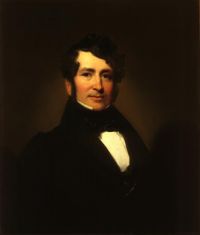
Writers have long been fascinated by its themes of renewal and cosmic change: Percival Lowell compared novae to celestial cycles of creation and decay, while Alfred Noyes conveyed the idea of eternal renewal through his poetic imagery. Antonín Sova’s poetry contrasted the end of old structures with the emergence of new ones, echoing the stellar process. These interpretations highlight the nova’s dual nature—as both a scientific wonder and a symbol of rebirth—linking cosmic processes with human imagination.
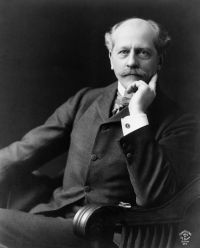 Percival Lowell,
The Evolution of Worlds
(1910)
Percival Lowell,
The Evolution of Worlds
(1910)