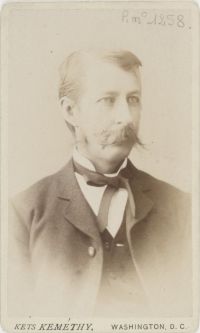
Vitus Bering, a Danish-born Russian explorer (1681–1741), is renowned for leading two major expeditions that charted the northeastern Asian coast and confirmed the existence of a body of water between Asia and North America, later named the Bering Strait. His journeys, fraught with danger, laid the foundation for Russian territorial claims in the Pacific. Authors such as Peter Lauridsen and Agnes C.
Laut emphasize his careful yet prudent leadership, the immense logistical challenges of his voyages, and his legacy as a figure whose contributions were overshadowed by the hardships of his era. While Lauridsen notes Bering’s humility and the moral dilemmas of leading imperfect men, Laut highlights his role as a key figure in Russian exploration, commissioned by Peter the Great to dispel geographic misconceptions. The combination of these viewpoints portrays Bering as both an innovative mapmaker and a man whose accomplishments were shaped by the constraints of his time.
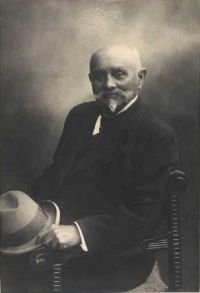 Peter Lauridsen,
Vitus Bering: the Discoverer of Bering Strait