Whigs (British political party)

Definition and stakes

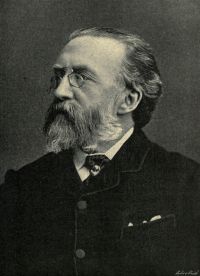
E. T. Raymond Portraits of the Nineties

Nothing is more remarkable than the dying out of political talent among the landed classes during the last twenty years; and it is perhaps not altogether fanciful to connect it with the decline of the Whigs, who, in their palmy days, not only maintained themselves in full efficiency, but acted as a sort of pace-maker for their opponents. The Whig nobility was never numerically in a majority, but it commanded the greater part of aristocratic talent, and it created a certain spirit of emulation among young Tories. But when the Whigs went over to the Tory Party this stimulus was wanting.
Source: Gutenberg

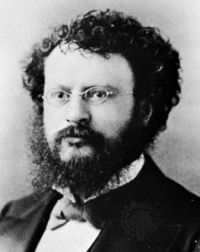
Portrait of Justin McCarthy Justin McCarthy A History of the Four Georges, Volume I

What is called in American politics a new departure has taken place in England since that time; the Radical party has come into existence with political principles and watchwords quite different even from those of the early Whigs. Some of the Whig houses, not many, have gone with the forward movement; some have remained behind, and so lapsed almost insensibly into the Tory quarter. But at the close of Queen Anne's reign all the great leading Whigs stood well together. They understood better than the Tories did the necessity of obtaining superior influence in the House of Commons.
Source: Gutenberg

Earl of James Bruce Elgin Letters and Journals of James, Eighth Earl of Elgin

From the earliest period of his entrance into political life he had always had the strongest sense of the duty incumbent on every public man of supporting, even in opposition, the authority of Government. The bitterest reproach which he cast upon the Whigs, in his first Tory 'Letter to the Electors of Great Britain' in 1835, was that when they found they could not carry on the government themselves, they tried to make it impossible for any other party to do so.
Source: Gutenberg

Get perspective with Kwize: daily news enlightened by great literature