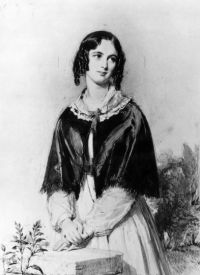
Yolande of Aragon

Definition and stakes

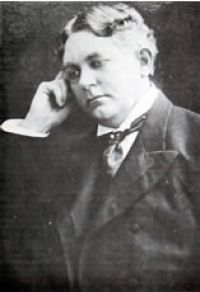
Portrait of Jeffery Farnol Jeffery Farnol The Geste of Duke Jocelyn

Mayhap hast heard the beauty and the fame Of fair Yolande, that young and peerless dame “For whom so many noble lovers sigh And with each other in the lists do vie? Though much I've dreamed of sweet Yolanda's charms My days have passed in wars and feats of arms, For, Pertinax, this blemished face I bear, Should fright, methinks, a lady young and fair.
Source: Gutenberg

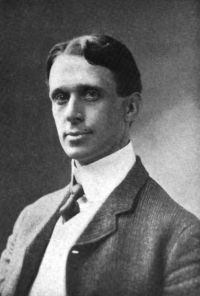
Edgcumbe Staley King René d'Anjou and His Seven Queens

The chief object of this visit was the formal betrothal of the young King and the Princess Yolanda d’Arragona—a ceremony deemed too important for celebration either at Angers or at Aix, in the King’s domains. A notable function, in the grand metropolitan cathedral of Nôtre Dame, was held on, of all days the most suitable, the Feast of the Three Holy Kings, January 6, 1390, whereat assisted all the Princes and Princesses of the House of France, with Prince Ferdinand of Castile and Aragon as proxy for the bride-Princess, and an imposing embassy from King Juan and Queen Yolanda.
Source: Gutenberg

1911 Encyclopædia Britannica, Volume 28… (1911)

Yolande inherited the throne on her mother's death in 1212, but her father ruled as her guardian. In 1223 she married the emperor Frederick II., the pope hoping by this bond to attach the emperor firmly to the crusade. Immediately upon his marriage Frederick demanded all the rights of sovereignty in the kingdom of Jerusalem, which he claimed to exercise in his wife's name. His action led to difficulties with John, who did not relish the loss of his position. Yolande died in 1228 after the birth of a son, Conrad, and her husband then continued to rule, though not without opposition.
Source: Wikisource

Get perspective with Kwize: daily news enlightened by great literature