Altar rail

Definition and stakes

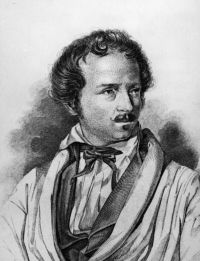
Portrait of Thomas A. Janvier Thomas A. Janvier,  The Christmas Kalends of Provence

“ And within the rail the rich vestments of the ministering priests, and the rich cloths of the altar, all in a flood of light, added a warm colour-note of gorgeous tones.
Slowly the rite went on. Twenty at a time the women, kneeling, ranged themselves at the rail; rising to give room to others when [129] they had partaken, and so returning to their seats.
”
Source: Gutenberg

Anonymous,  The Church Handy Dictionary

“ ALTAR RAILS. Archbishop Laud, 1640, ordered that the Holy Table should be placed at the east end of the chancel, and protected from rude approach by rails. They do not appear to have been in general use in the Western Church before the Reformation; although it is probable their use in the side chapels of Cathedrals is early. It is hard to say whether by the Latin word cancelli is meant the chancel-screen or the altar-rails, in some cases probably the latter. The use of altar-rails is ancient in the Eastern Church. The space within the rails, where the altar stands, is called the sanctuary. ”
Source: Gutenberg

F. Marion Crawford,  The Witch of Prague: A Fantastic Tale

“ Eastwards, before the rail which separated the high altar from the people, wax torches, so thick that a man might not span one of them with both his hands, were set up at irregular intervals, some taller, some shorter, burning with steady, golden flames, each one surrounded with heavy funeral wreaths, and each having a tablet below it, whereon were set forth in the Bohemian idiom, the names, titles, and qualities of him or her in whose memory it was lighted. ”
Source: Gutenberg

Get perspective with Kwize: daily news enlightened by great literature