Batting wicket

Definition and stakes

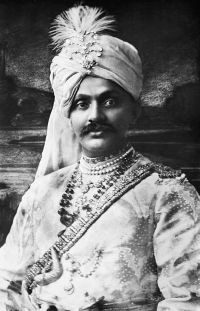
Portrait of Ranjitsinhji Vibhaji II Ranjitsinhji Vibhaji II,  The Jubilee Book of Cricket (1897)

“ Another wicket which is in the batsman's favour is a hard wicket wet on the surface. He can play forward on it as much as he likes with perfect safety, provided he looks out for balls that shoot or keep low. When the surface of a pitch is greasy with rain that has not made it in the very least soft, the ball is liable to skid along with extraordinary rapidity. It is rather amusing to hear what people say when, after a break of a few minutes owing to a shower, a player on resuming his batting is unfortunate enough to get out. ”
Source: Wikisource

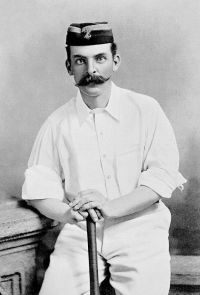
Robert Henry Lyttelton,  Out-door Games: Cricket and Golf (1901)

“ The easy wicket has made batting so easy that the proper proportion and balance of the game are lost. It is not only the good batsmen who make hundreds and two hundreds: the inferior batsman, who ought never on his merits to score above 50 runs in an innings, going in ninth or tenth, on perfect wickets, and against fatigued bowlers, finds it easy to hit away all over the place, and the runs come in numbers. The result of such run-getting is in every way pernicious. ”
Source: Wikisource

Portrait of Ranjitsinhji Vibhaji II Ranjitsinhji Vibhaji II,  The Jubilee Book of Cricket (1897)

“ The bowler can do what he likes with the ball. And at times not even the bowler, though a good one, has the slightest idea what the ball will do. It may rise with a huge break over the batsman's head; it may shoot or keep uncommonly low; it may, wonderful to relate, break from leg after receiving an emphatic off-spin from the bowler's hand. In fact, such a wicket is liable to bring about the ignominious downfall of the most powerful batting side imaginable, and that though opposed to bowling which under ordinary conditions would be quite mediocre. ”
Source: Wikisource

Get perspective with Kwize: daily news enlightened by great literature