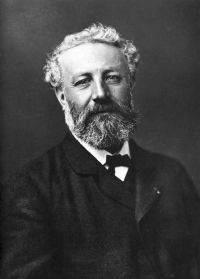
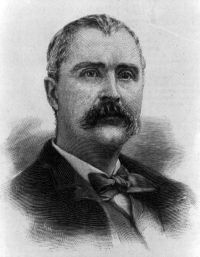
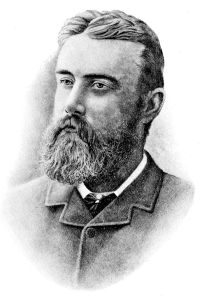
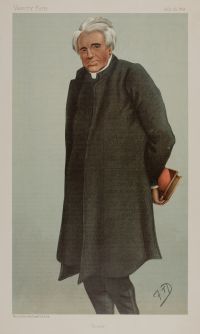
The eyrie, a high nest usually built by birds of prey on unreachable cliffs or elevated perches, represents both a biological need and a symbol of seclusion. From Isabella Lucy Bird’s vivid portrayal of Glen Eyrie as a “wild and romantic” glen to Jules Verne’s evocative depiction of the “Great Eyrie” in the Blue Ridge Mountains, the theme echoes through literature and natural history.
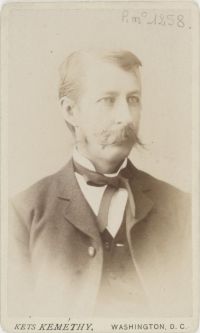
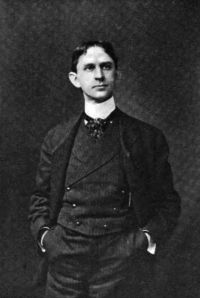
Authors like Francis Heatherley examine its practical features, noting the careful attention birds give to its creation, while others, such as Arabella Burton Buckley, elevate it to a symbol of transcendence. These differing viewpoints highlight the eyrie’s dual function as a place of survival and a source of inspiration for human imagination.
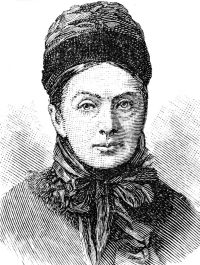 Isabella Lucy Bird,
A Lady's Life in the Rocky Mountains
(1879-1880)
Isabella Lucy Bird,
A Lady's Life in the Rocky Mountains
(1879-1880)