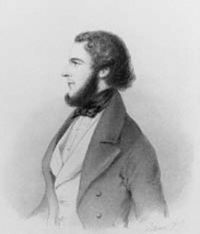
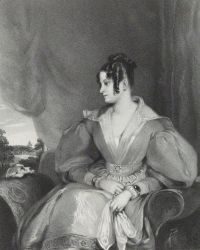
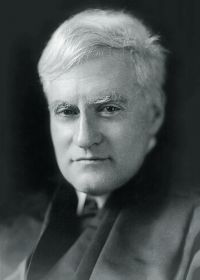
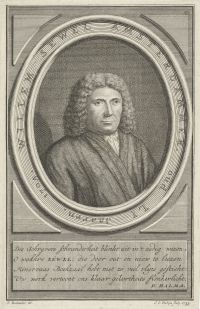
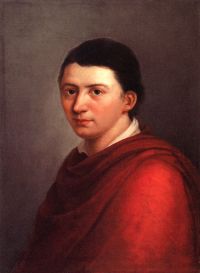
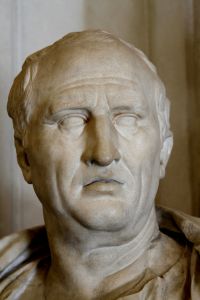
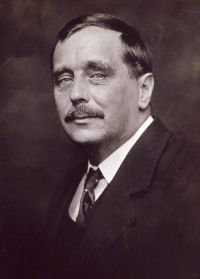
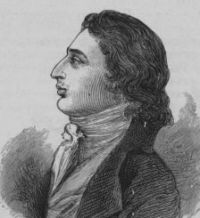
Seclusion, the act of isolating oneself from society or a state of being apart, has been examined through various lenses, from philosophical to literary. Johann Gottlieb Fichte viewed it as a boundary of individual freedom, while Edgar Allan Poe expressed concern over the challenge of finding solitude in urban settings.
The anonymous author of The Young Lady’s Mentor cautioned against moral decline resulting from social withdrawal, in contrast to Benjamin Lumley’s portrayal of intentional seclusion as a trial of one's convictions. These viewpoints highlight seclusion as both a personal sanctuary and a debated social practice, influenced by cultural, ethical, and existential factors.
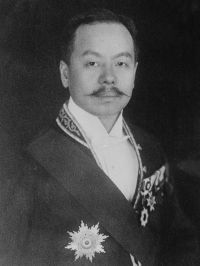 Hioki Eki,
National Geographic Magazine
(1905)
Hioki Eki,
National Geographic Magazine
(1905)