Exposure, in photography, refers to the amount of light captured by a camera's sensor or film, determined by shutter speed, aperture, and scene brightness. It is measured in lux-seconds and underpins techniques like long exposure or multiple exposure.
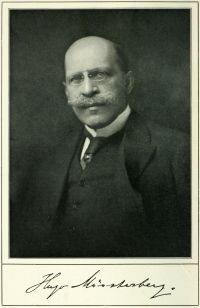
While technical manuals define its radiometric and photometric aspects, authors like Hermann Ebbinghaus emphasized its contrast with human perception, and Hugo Münsterberg examined its role in aesthetic and industrial psychology. The CDC’s discussions on chemical exposure, meanwhile, reveal its broader implications beyond imaging. Exposure thus connects precise technicality with metaphorical vulnerability, shaping both visual art and human experience.
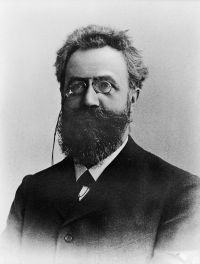 Hermann Ebbinghaus,
Psychology: an elementary text-book
Hermann Ebbinghaus,
Psychology: an elementary text-book