House sparrow

Definition and stakes

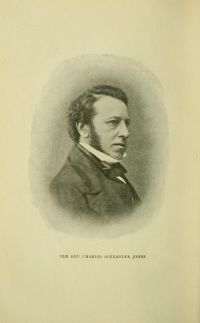
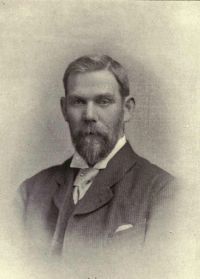
Portrait of C. A. Johns C. A. Johns,  British Birds in Their Haunts

“ The Mountain Sparrow seems scarcely to deserve its name, as it is by no means confined to mountainous districts. It is abundant all over the European continent, and is to be met with here and there in many parts of England in the east of Scotland and of late years in Ireland and in the Hebrides; but it is nowhere so abundant as the House Sparrow, which it resembles in all respects, except that the head is of a bright chestnut colour, and the neck wears a white collar. I have never seen it except in society with the common species, and could never detect any difference either in flight or note ”
Source: Gutenberg

Alfred Newton,  1911 Encyclopædia Britannica, Volume 25… (1911)

“ The house-sparrow, the Fringilla domestica of Linnaeus and Passer domesticus of modern authors, is far too well known to need any description of its appearance or habits, being found, whether in country or town, more attached to human dwellings than any other wild bird; nay, more than that, one may safely assert that it is not known to thrive anywhere far away from the habitations or works of men, extending its range in such countries as northern Scandinavia and many parts of the Russian Empire as new settlements are formed and land brought under cultivation. ”
Source: Wikisource

Various,  Harper's Young People, February 3…

“ FEEDING THE SPARROWS. THE HOUSE-SPARROW.
The English house-sparrow, a pert, daring little bird, which is seen in crowds in almost all cities of the Northern United States, was first brought to this country about twenty years ago. It is said the first specimens were liberated in Portland, Maine, where they immediately made themselves at home, and began nest-building and worm-catching as eagerly as when in their native air. Others were soon brought to New York city, and set free in the parks.
”
Source: Gutenberg

Get perspective with Kwize: daily news enlightened by great literature