Kangaroo skin

Definition and stakes

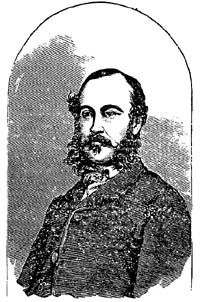
Portrait of Mark Twain Mark Twain,  Following the Equator: A Journey Around the World

“ He was buying the kangaroo-skin crop; buying all of it, both the Australian crop and the Tasmanian; and buying it for an American house in New York. The prices were not high, as there was no competition, but the year’s aggregate of skins would cost him L30,000. I had had the idea that the kangaroo was about extinct in Tasmania and well thinned out on the continent. In America the skins are tanned and made into shoes. After the tanning, the leather takes a new name—which I have forgotten—I only remember that the new name does not indicate that the kangaroo furnishes the leather. ”
Source: Gutenberg

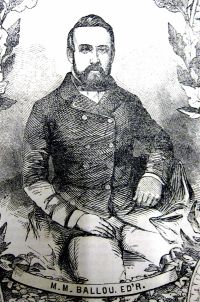
Portrait of Maturin M. Ballou Maturin M. Ballou,  Under the Southern Cross

“ That special district absolutely swarmed with these animals until the means mentioned for their destruction were adopted. The kangaroo is very prolific in its wild state, and would, if allowed to multiply undisturbed, soon drive the sheep from their feeding-grounds. Its skin, when properly cured and dressed with the fur on, makes good rugs suitable for domestic use. Leather is also made from the skin, and when well tanned and carefully prepared is available for many purposes, although as a regular industry the skin of the kangaroo has never been made much use of in the form of leather ”
Source: Gutenberg

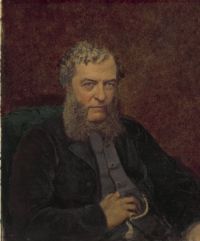
Portrait of Arthur Mangin Arthur Mangin,  The Desert World

“ They have a protuberant belly, feeble limbs, a long but not projecting face, a depressed skull, long black frizzled hair. Their attire is remarkable for its simplicity: a kangaroo skin flung over the right shoulder! The custom of painting and tatooing the body is generally adopted among them, as well as among all savages, to whatever race they belong, and whatever part of the world they inhabit. ”
Source: Gutenberg

Get perspective with Kwize: daily news enlightened by great literature