
Leg before wicket

Definition and stakes

Portrait of Allan Gibson Steel Allan Gibson Steel,  Cricket (1888)

“ When bowled from over the wicket the legbreak ball, being delivered in a direct line with the batsman's wicket, will naturally, if pitched on the leg-stump or between the legs and the wicket, not twist so much, thus making it more likely to hit the wicket if missed by the batsman. There is also a diiect advantage to be gained by bowling over the wicket if the batsman is inclined to get in front of his stumps, as there is always a better chance for the bowler to get an appeal for leg before wicket answered in his favour than when bowling from the other side. ”
Source: Wikisource

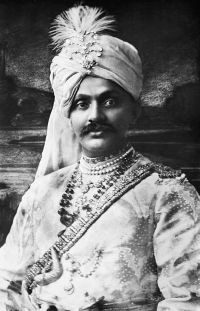
Portrait of Ranjitsinhji Vibhaji II Ranjitsinhji Vibhaji II,  The Jubilee Book of Cricket (1897)

“ It may be useful to state that a man is out leg-before-wicket if the ball hits his leg after pitching between the two wickets—that is, between two parallel straight lines drawn from the outer edges of one set of stumps to the outer edges of the other—and continues its course in such a way that it would have hit the wicket. An umpire must not imagine the subsequent course of the ball. Unless he distinctly sees it break or twist, he should give the man out. As a matter of fact, it is by no means an easy thing to bowl a ball pitching between the wickets so as to hit the stumps. ”
Source: Wikisource

R. H. Lyttelton,  Cricket

“ The first rule is essential, for the good player never ought to move his right foot to fast bowling. If, therefore, any part is in front of the wicket, he runs a risk of being leg before wicket when the ball beats the bat; if his foot is outside the crease he is in danger of being stumped; and if the toes of the right foot are materially nearer the wicket than the heel, he will find himself in a very awkward position, unable to get over the ball. Subject to these rules, the batsman takes any position he pleases. ”
Source: Gutenberg

Get perspective with Kwize: daily news enlightened by great literature