Mayoral election

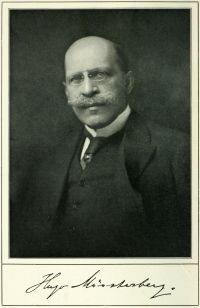
Portrait of Lincoln Steffens Lincoln Steffens,  The Shame of the Cities (1904)

“ New York has an independent vote of 100,000, a decisive minority, but the voters have been taught to vote only once in a long while, only when excited by picturesque leadership and sensational exposures, only against. New York has been so far an anti-bad government, anti-Tammany, not a good-government town. Can it vote, without Tammany in to incite it, for a good mayor? I think this election, which will answer this question, should decide other cities how to go about reform. ”
Source: Wikisource

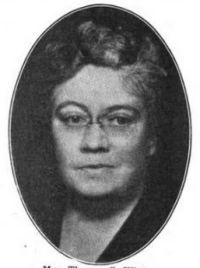
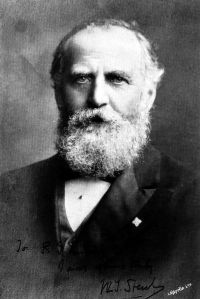
Portrait of W. T. Stead W. T. Stead,  Satan's Invisible World Displayed…

“ Another object aimed at, though with some compromises, was to get rid of boards or commissions, as overriding the mayor and destroying that personal responsibility which was regarded as so important to public opinion. One man in every place, that man directly responsible to the mayor alone, and the mayor himself to the people, at short intervals; this was the guiding theory. To obviate the almost morbid dread of one man power, it was provided that the mayor might be removed from office by a three-fourths vote of the council, and a new election ordered. ”
Source: Gutenberg

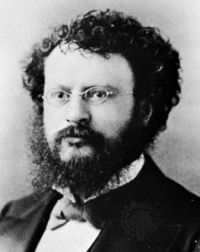
J. N. Larned,  History For Ready Reference, Volume 7 (1895)

“ All members of the city council will be elected at large, and there will be no ward members of the body. By the abolition of party designations no primary elections or caucuses for municipal offices will be held. "All candidates for mayor, city council and school board must be nominated by papers of not less than 5000 registered voters. No voter may sign more than one paper for mayor, not more than nine for council for the first election and for three candidates thereafter, and not more than two papers for the school board when there are two members to be elected. ”
Source: Gutenberg

Get perspective with Kwize: daily news enlightened by great literature