Naval convoy

Definition and stakes

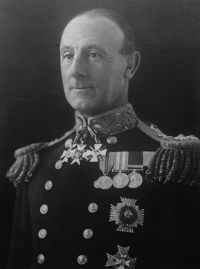
Portrait of John Rushworth Jellicoe John Rushworth Jellicoe,  The Crisis of the Naval War

“ For the introduction of a system of convoy which would protect merchant ships as far as their port of discharge in the United Kingdom, there were two requirements: (a) A sufficient number of convoying cruisers or armed merchant ships, whose role would be that of bringing the ships comprising the convoy to some selected rendezvous outside the zone of submarine activity, where it would be met by the flotilla of small vessels which would protect the convoy through the submarine area. ”
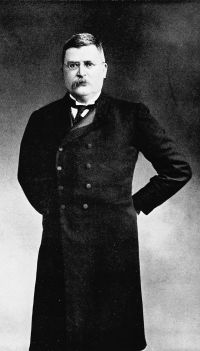
Source: Gutenberg

Portrait of John Rushworth Jellicoe John Rushworth Jellicoe,  The Crisis of the Naval War

“ The system of convoy outlined above continued in force from April to December, 1917, during which period some 6,000 vessels were convoyed between Norway and the Humber with a total loss of about seventy ships.
There was always the danger that Germany would attack the convoys by means of surface vessels. The safeguard against such attacks was the constant presence of forces from the Grand Fleet in the North Sea.
”
Source: Gutenberg

Portrait of John Rushworth Jellicoe John Rushworth Jellicoe,  The Crisis of the Naval War

“ It was very difficult to furnish efficient protection against the surface form of attack from the resources of the Grand Fleet if the practice of running a daily convoy was continued, because it was impossible to forecast the strength or exact character—battle-cruisers, cruisers or destroyers—of the attack; and the first step was to reduce the number of convoys and to increase correspondingly the number of ships in each convoy. A telegram was sent to the Admiral Commanding the Orkneys and Shetlands on October 26 asking whether the convoys could be conveniently reduced to three per week. ”
Source: Gutenberg

Get perspective with Kwize: daily news enlightened by great literature