Naval mine

Definition and stakes

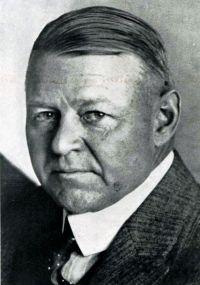
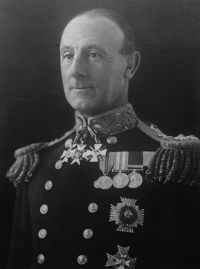
Portrait of John Rushworth Jellicoe John Rushworth Jellicoe,  The Crisis of the Naval War

“ Some of the new features were the development of depth-charge throwers, the manufacture and use of fast coastal motor-boats for anti-submarine work, the production of mines of an improved type for use especially against submarines, very considerable developments in the use of minefields, especially deep minefields, including persistent mining in the Heligoland Bight and the laying of a complete minefield at varying depths in the Straits of Dover; also, after the United States entered the war, the laying of a very extensive minefield right across the northern part of the North Sea. ”
Source: Gutenberg

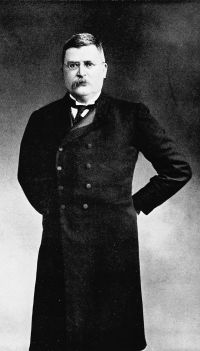
Portrait of E. F. Knight E. F. Knight,  The Harwich Naval Forces: Their Part in the Great War

“ They are employed for patrol work, also for mine-sweeping, but are not powerful enough for this latter work, except under certain conditions. The duty for which they are very well [194] adapted is the exploration of enemy minefields at low water, and the sinking of such moored mines as appear above the surface, as is not infrequently the case in consequence of the inaccurate laying of the mines. The German mines, I may mention, were mostly laid at eight feet below the sea-level at low water. ”
Source: Gutenberg

Mordaunt Hall,  Some Naval Yarns

“ Men were busy at the stern of the ships watching the wooden kites that are made so as to catch the mines by the hawser that is slung between the two steamers. The slightest sign of a ball-like piece of steel in the sea and the dullness of sweeping is relieved, for then the skipper knows that he has unhooked one of the mines. Along came a submarine, flying the white ensign of the Royal Navy. The mine-sweepers realise that these men have no arm-chair job, and admire the commander and crew of the under-water boats accordingly. ”
Source: Gutenberg

Get perspective with Kwize: daily news enlightened by great literature