The concept of "Craven" emerges as a multifaceted literary motif, often embodying emotional fragility, moral ambiguity, or physical weakness. E. M. Hull portrays Craven as a figure immersed in passion and inner conflict, traversing exotic settings and intense relationships, as seen in The Shadow of the East, where his actions reflect both tenderness and existential struggle.
George Bernard Shaw, by contrast, places Craven within the realm of social satire, depicting him as a character caught in reputational conflicts and interpersonal competition in The Philanderer. Other authors, such as Julia Charlotte Maitland, emphasize Craven’s practical challenges, such as learning to shoot, highlighting his adaptability. These diverse depictions collectively reveal "Craven" as a recognizable archetype, flexible enough to span genres from romance to comedy, yet consistently linked to human vulnerability and perseverance.
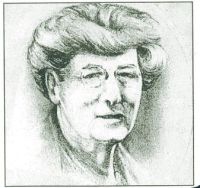 E. M. Hull,
The shadow of the East
E. M. Hull,
The shadow of the East