Pilaf

Definition and stakes

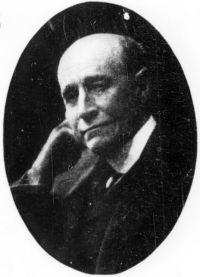
Portrait of Henry Yule Henry Yule,  Hobson-Jobson — P (1903)

“ PEEPUL, s. Hind. pīpal, Skt. pippala, Ficus religiosa, L.; one of the great fig-trees of India, which often occupies a prominent place in a village, or near a temple. The Pīpal has a strong resemblance, in wood and foliage, to some common species of poplar, especially the aspen, and its leaves with their long footstalks quaver like those of that tree. This trembling is popularly attributed to spirits agitating each leaf. And hence probably the name of 'Devil's tree' given to it, according to Rheede (Hort. Mal. i. 48) , by Christians in Malabar. ”
Source: Wikisource

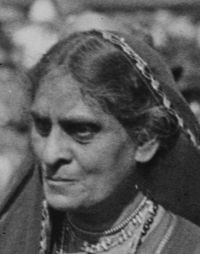
Portrait of Cornelia Sorabji Cornelia Sorabji,  Indian tales of the great ones among men… (1916)

“ And it was spring-time, and the leaves of the pipal tree were shining after a shower of rain, which had made [Pg 90] all the world smell sweet with the good earth-smell. And the birds were singing. And under the pipal tree stood the perfect boy beside the shrine of Shiva, the great god, playing a little tune of the gladness of the-things-that-pass. ”
Source: Gutenberg

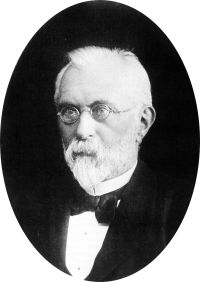
Portrait of William Alexander Fraser William Alexander Fraser,  The Three Sapphires

“ Like a gateway between the land of the living and the land of beyond, its giant white limbs weird as the arms of a devil-fish, reaching through glossy leaves to almost touch a wall of sal, stood a pipal, its wide-spreading roots, daubed with red paint, nursing a clay idol that sat amid pots of honey, and sweet cakes, and gaudy tinsel, and little streamers of coloured cloth—all tribute to the god of the sacred wild fig. ”
Source: Gutenberg

Get perspective with Kwize: daily news enlightened by great literature